The Business Case for Employer Branding

All Business Growth Starts as a Talent Problem First

When employer branding is built on differentiated value and proof, it becomes a growth asset, not a glossy project. That asset is how great companies compete and win against anyone.

Employer branding for company growth: not lipstick, not fluff, a business asset

Most leadership teams already agree on the core truth, even if they don’t say it out loud: the company you can build is limited by the talent you can attract and keep.
That is why employer branding deserves C-suite attention. Not because it makes the company “look good,” but because it makes the company more choosable to the exact people who determine execution: the builders, operators, sellers, and leaders who turn strategy into reality.

The old version of employer branding earned its bad reputation. It was slow, expensive, and often ended as a deck that didn’t survive real hiring pressure. Employer Brand Labs exists because mid-market companies need something different: a performance tool that clarifies your differentiated value, makes it provable, and then turns it into field-ready language your recruiters and hiring managers can actually use.

If your employer brand does not change candidate decisions, it’s decoration. If it does, it becomes an asset: lower cost volatility, higher offer acceptance, better quality, faster time-to-value, and stronger retention.

Below is how that asset shows up for each officer, in the language they already care about.

Jump to the relevant officer:

CFO: Hiring better talent is the highest-ROI growth bet you can make

A CFO doesn’t need another “people initiative.” They need fewer surprises and better unit economics.

A differentiated, proof-led employer brand lowers hiring cost in the obvious ways: less wasted spend on volume, fewer agency bailouts, fewer late-stage offer losses. But the bigger win is the one most teams fail to articulate: a company is only as good as the people it hires, and the quality of those hires determines what the business can become.

If you attract baseline talent, you can still grow, but you’ll grow expensively. You’ll pay in rework, missed deadlines, quality escapes, customer churn, and leadership time spent correcting problems that never should have shipped.

Choosability changes the math without asking you to simply “pay more.” When candidates see a credible reason to choose you that is not comp-based, two things happen:
  • The right candidates progress faster because confidence is higher.
  • Offer acceptance improves because the decision feels less risky, even without a salary premium.
That’s not soft. That’s conversion.

The finance-friendly framing is simple: treat employer brand as a performance tool that makes headcount more predictable and reduces cost volatility. Then tie it to the downstream outcomes you care about: productivity, innovation, and customer experience.

How Employer Brand Labs helps: we build a Choosable Employer Brand Operating System designed for mid-market economics: clear differentiation, competitive reality, proof, and messaging that holds up under scrutiny.
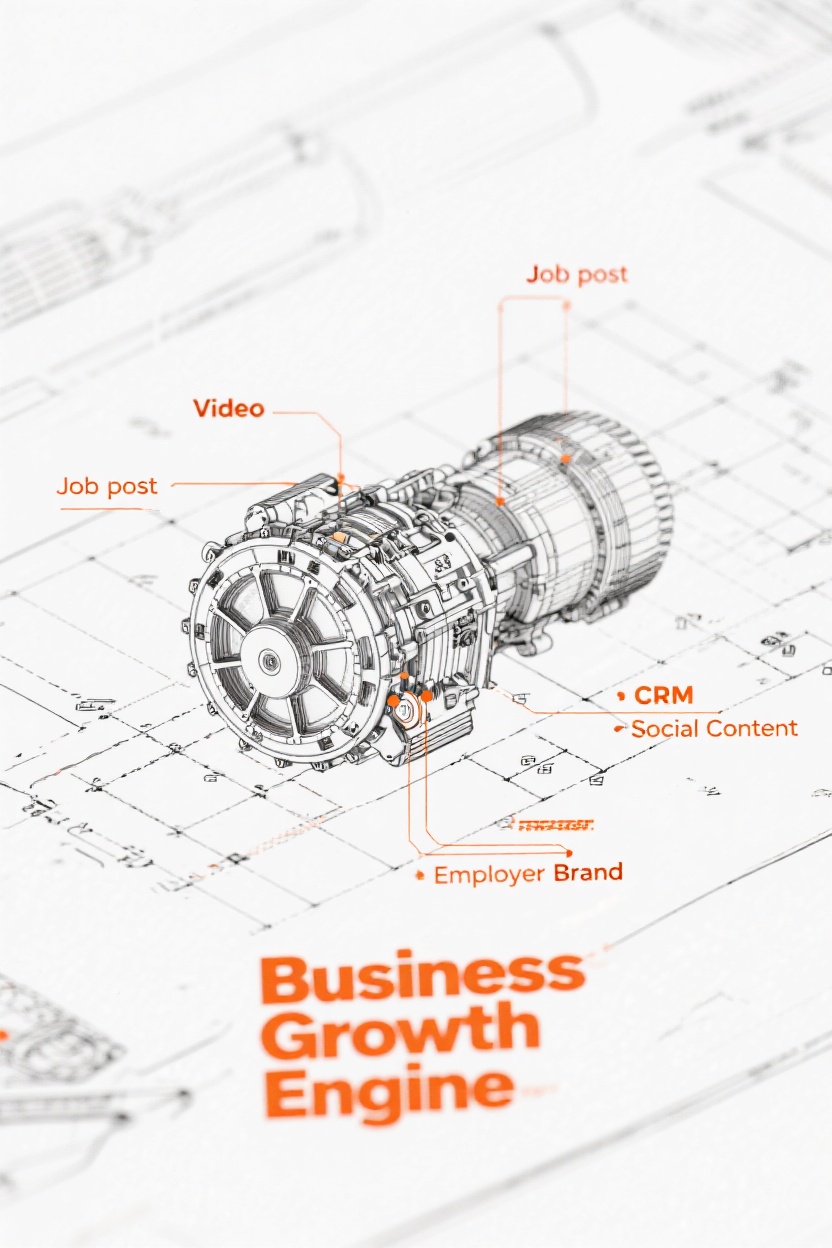
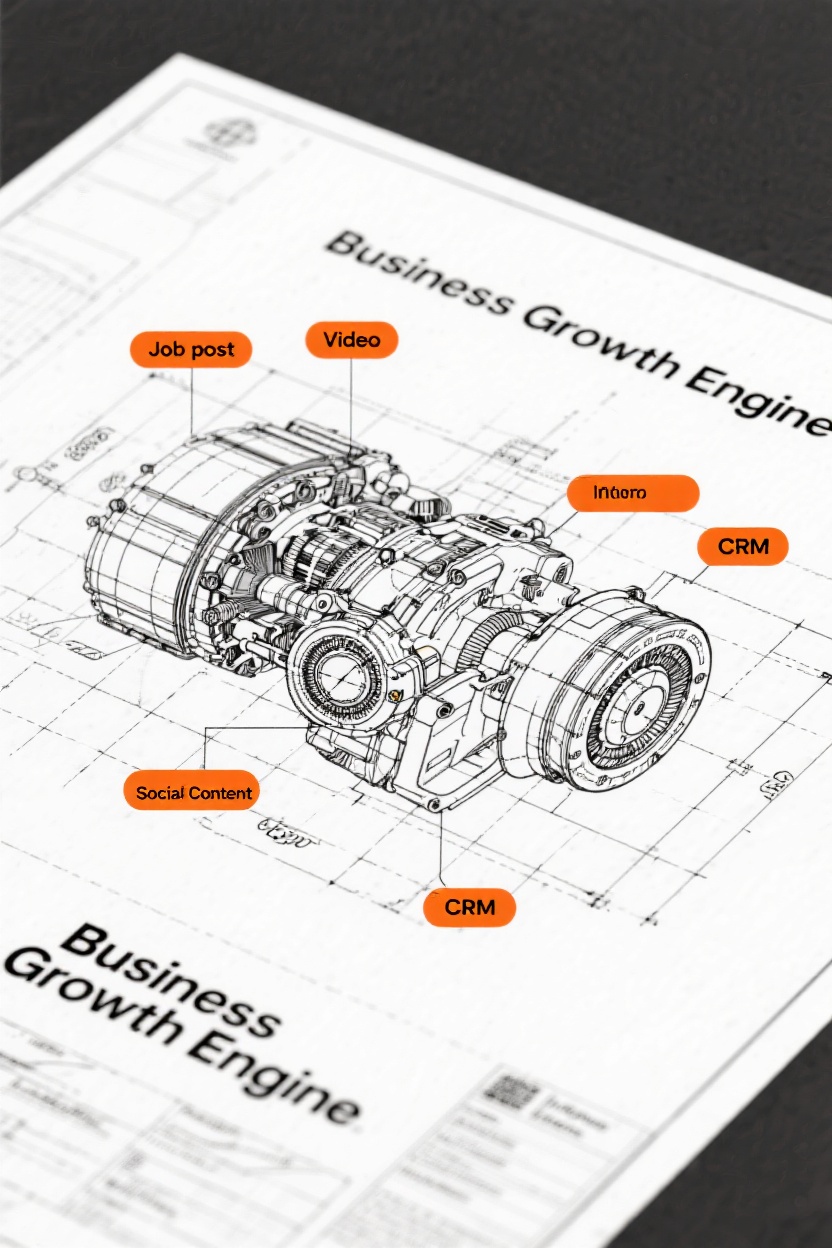
Business Growth Engine
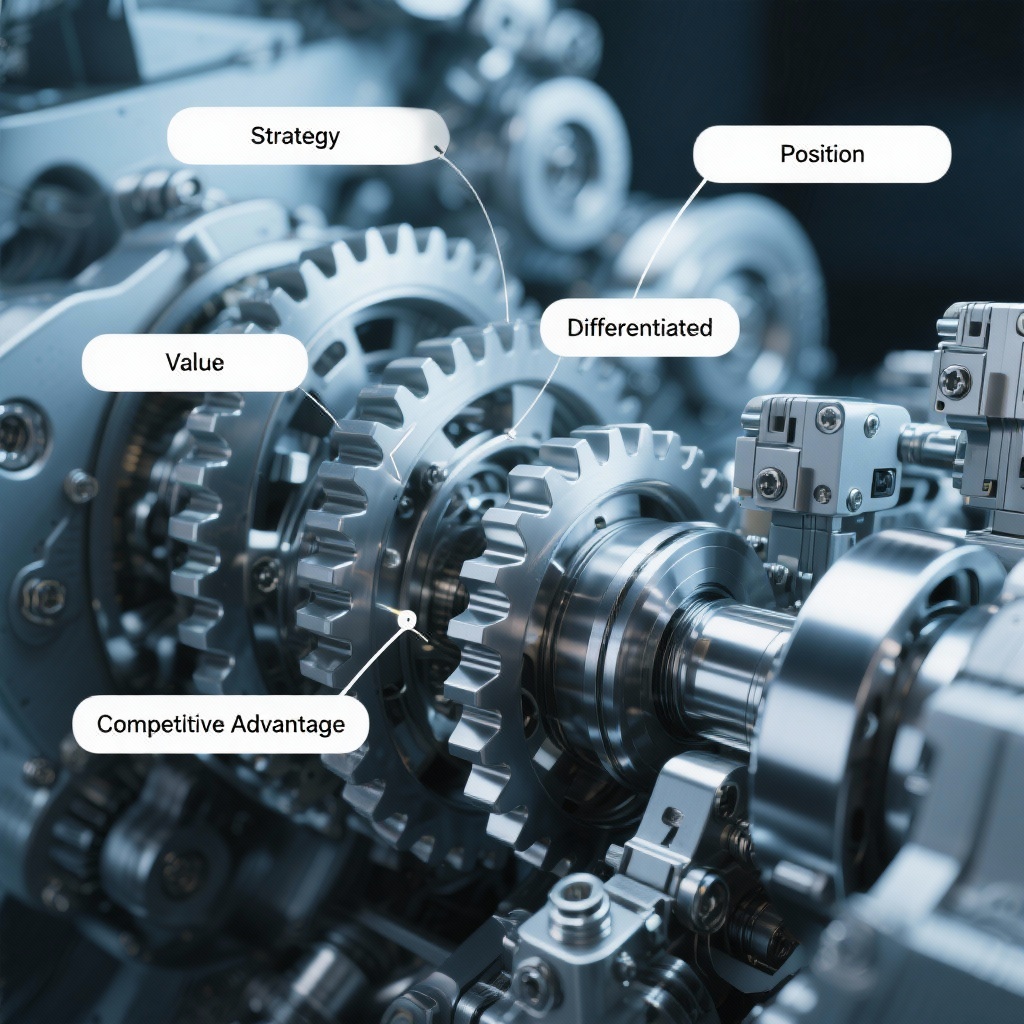
Image of chrome gears labeled Strategy, Positioning, Chooability

COO: Raising the productivity ceiling starts with who you can attract and keep

COOs live inside throughput: what gets delivered, how reliably, and at what cost.

Employer branding matters to operations for one reason: capacity is a function of talent. If you can attract new skill sets and keep your most experienced people, you raise the productivity ceiling. If you can’t, you spend your life managing constraints: vacancies, churn backfills, slow ramps, and constant workarounds that drain the system.

Most COOs have already felt the hidden cost of weak choosability:
  • The “critical role” that sits open and forces other teams to absorb the work.
  • The hire who looks fine on paper but takes six months to reach useful output.
  • The regrettable exit that wipes out institutional knowledge and resets momentum.
A differentiated employer brand isn’t a poster. It is a mechanism that improves operational outcomes by reducing the friction and mismatch that create lost productivity.

It does that in two ways:
  • It attracts people who actually want the tradeoffs you offer. That reduces early attrition and mis-hire probability.
  • It makes success legible early. Candidates understand what they’re walking into, which improves time-to-value because expectations, standards, and ownership are clearer from day one.
When the story is accurate, candidates self-select better. When the proof is strong, the right candidates move with more confidence. When the internal narrative is consistent, teams stop improvising and the system becomes easier to run.

How Employer Brand Labs helps: we turn your differentiated value into a repeatable operating system, not a campaign, so recruiting supports operational reliability instead of adding chaos.

CHRO / Chief People Officer: Culture thrives when the promise and the experience match

CHROs carry the cultural truth serum: culture is not what you say, it’s what people experience, repeat, and tolerate.

A proof-led employer brand strengthens culture because it creates a consistent shared understanding of:
  • why the work matters
  • what the experience is actually like
  • what rewards and growth look like here
  • and what tradeoffs are real
That consistency does two things that matter deeply to People leaders.

First, it lowers regretted attrition by improving fit. When the brand is honest and specific, you don’t attract “everyone.” You attract the people who want this environment, this mission in practice, and these constraints. That is not exclusionary. It is healthy.

Second, it raises morale because teams stop living inside cognitive dissonance. When employees can’t reconcile the story with reality, they disengage. When they can, they advocate. When advocacy increases, recruiting gets easier, retention improves, and leaders spend less time patching cultural cracks.

The best employer branding work is not separate from culture. It is one of the most practical ways to align culture, leadership behavior, and recruiting reality. But it only works when it’s built on differentiated value and proof, not aspirational slogans.

How Employer Brand Labs helps: we help you define what’s true, what’s provable, and what needs to be activated, so the external story reinforces the internal experience instead of fighting it.
Image of a TA leader looking at a dynamic white board trying to solve systemic recruiting issues
Schematic of a recruiting engine with parts labeled Social Media, CRM and Video

CMO: This is a people brand project that gives marketing better material to drive customers, too

CMOs already understand the core principle: brands win when they have a believable story and evidence that story is true.

Employer branding is the same game, just aimed at talent. And when done well, it creates a second dividend: it gives marketing a richer, more emotionally resonant set of “paints” to work with.

Most corporate marketing defaults to features, feeds, and speeds. That content is necessary, but rarely sufficient. What customers also buy is confidence: that your team knows what it’s doing, that you’ll deliver, and that you’ll keep delivering.

A strong people brand helps with that, because it supplies stories that are difficult for competitors to fake:
  • why skilled people choose this work
  • what standards they operate under
  • what they’ve built and learned
  • and why they stay
Those narratives strengthen customer marketing when merged with product claims. It’s not fluff. It’s credibility. And credibility reduces friction everywhere: pipeline, partnerships, renewals, referrals.

The key is not to turn your employer brand into a glossy montage. The key is to build proof-led stories that can travel across channels, without breaking under skepticism.

How Employer Brand Labs helps: we don’t just “make content.” We identify differentiated value, build proof, and shape it into stories and language that work for recruiting and strengthen the company’s broader brand credibility.

CTO: Innovation is a function of who you hire, and who you can keep

CTOs rarely need convincing that talent matters. They need a hiring engine that produces strength, not just headcount.

Innovation suffers when you hire weak talent. Not because weak talent is lazy, but because the organization pays a constant tax: more oversight, less ownership, lower standards, slower learning loops, and more time spent “aligning” instead of building.

A differentiated employer brand helps the CTO in a direct way: it attracts builders who are motivated by the reality of the work, not the fantasy of the perks.

If your employer brand is generic, you attract generic. If your brand is proof-led, you attract people who care about:
  • craft and standards
  • meaningful ownership
  • real technical challenges
  • and teams that take execution seriously
That changes the candidate pool and improves interview conversion because candidates can see what they’re joining. It also improves retention because the people who join are choosing the real tradeoffs, not being surprised by them after day 30.

This is why “looking good” is a trap. The goal is not to appeal to everyone. The goal is to be insanely attractive to the right engineers, builders, and leaders, so your innovation capability grows with the company.

How Employer Brand Labs helps: we build choosability around proof, standards, and real differentiators so the talent you attract can actually execute the roadmap you’re accountable for.
Diagram of talent strategy as engine
Talent strategy and employer brand as engine schematic

CEO: Strategy is only as good as the talent you can put behind it

CEOs get paid to see the future and make bets. But the most common failure mode is not strategy. It’s execution capacity.

You can have the sharpest plan in the boardroom, and still lose if you can’t hire the people who can carry it out day-to-day. That’s why business growth is a direct function of the skills and experiences you can attract.

If you hire baseline talent, you will spend your time compensating: more process, more oversight, more layers, more meetings. Everything gets slower. Great ideas decay before they hit reality.

A strong employer brand, built on differentiated value, is one of the few levers that makes that execution capacity easier to build. Not by making the company look good, but by making the company choosable. It helps the right hires see a clear, credible reason to pick you, trust you, and commit.

It also aligns the organization. When the company can clearly articulate who it is for, what it offers, and what it expects, leadership teams make better decisions about where to invest, what to prioritize, and what tradeoffs they’re willing to accept.

Employer branding, done right, becomes a growth tool: it improves the quality of talent you can win, reduces the premium you have to pay to win it, and increases the speed at which the company can turn intent into outcomes.

How Employer Brand Labs helps: we build employer brand operating systems for mid-market companies that compete against bigger names and win with clearer messaging, proof, and faster activation.

How to start without turning this into “a branding project”

If leadership is skeptical, don’t start with a manifesto. Start with clarity and evidence.‍
Step 1: Get the intelligence.
A short research engagement that shows where you’re losing, why, and what to fix first.
Instant Research
Step 2: Build the operating system. Differentiation, proof, and field-ready language your team can use immediately.
Employer Brand OS

Trusted by talent leaders, marketers
& business drivers

Ready to chat?

Thank you! Your submission has been received!
Oops! Something went wrong while submitting the form.